P
Plant Grower World
Guest
- Thread Author
- #1
Pine bonsai trees are often considered a challenging species to cultivate in cold climates, but with the right techniques, they can thrive even in harsh winter conditions. Many growers struggle to protect their pine bonsai from frost damage, discoloration, and root rot when temperatures drop below freezing.
In regions with cold winters, the risk of frost damage to pine bonsai trees is high, and even a small drop in temperature can cause significant stress to the tree. This can lead to reduced growth, weakened immunity, and even the death of the tree.
Growing pine bonsai in cold climates requires careful planning and attention to detail, but the reward is a beautiful and resilient tree that can bring joy and serenity to any space.
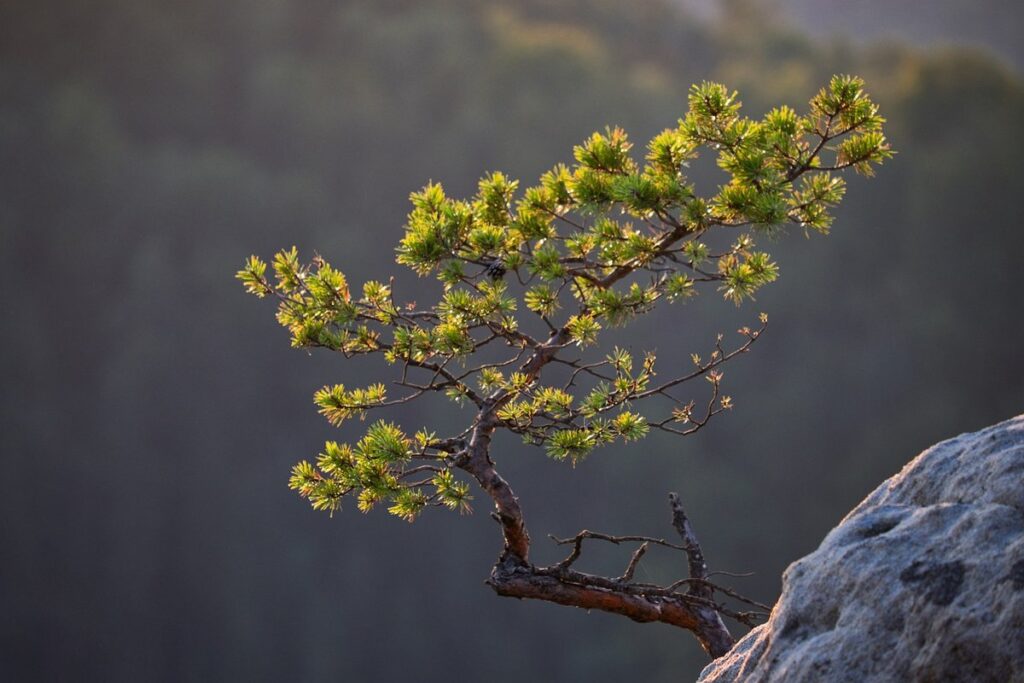
Photo by JancickaL from Pixabay
When growing pine bonsai in cold climates, selecting the right species is crucial. While many pine species can tolerate frost, some are more resilient than others. Japanese Black Pine (Pinus thunbergii) is a popular choice for bonsai cultivation, known for its ability to thrive in harsh conditions. Its dark green needles and robust growth habit make it an excellent option for cold climates. White Pine (Pinus strobus) is another suitable choice, with its soft needles and fast growth rate allowing it to adapt to changing conditions. Scots Pine (Pinus sylvestris) is also a hardy species, with its twisted branches and scaly bark adding unique character to bonsai designs.
When selecting pine species, consider factors such as climate, soil type, and available sunlight. Ensure that the chosen species can tolerate the local frost and wind patterns. Japanese Black Pine, for example, can tolerate temperatures as low as -20°C (-4°F), making it an excellent choice for cold climates. White Pine is more sensitive, requiring protection from extreme cold and wind.
Pine bonsai requires specific conditions to thrive. Lighting is critical, with most pine species preferring full sun to partial shade. Japanese Black Pine, in particular, requires at least six hours of direct sunlight per day. Watering is also essential, with pine bonsai requiring regular watering during the growing season (spring-fall). However, avoid overwatering, as this can lead to root rot and other issues. Temperature requirements vary by species, but most pine bonsai prefer daytime temperatures between 15-20°C (59-68°F) and nighttime temperatures around 5-10°C (41-50°F).
In addition to lighting, watering, and temperature, other essential conditions include humidity and fertilization. Pine bonsai prefer a humid environment, typically between 50-60% relative humidity. Fertilize during the growing season, using a balanced, water-soluble fertilizer at half the recommended strength.
Establishing a solid foundation in basic bonsai training techniques is crucial for success. Pruning is a fundamental skill, involving regular trimming to shape the tree and promote healthy growth. Wiring is another essential technique, used to shape branches and create desired forms. Repotting is also critical, as pine bonsai require regular repotting to maintain soil quality and promote root growth.
Beginners can start by practicing basic pruning techniques, such as removing dead or damaged branches, and shaping the tree’s overall form. Wiring can be introduced later, once the tree has established a solid framework. Repotting should be done annually, using a well-draining bonsai potting mix and a slightly larger pot to accommodate the tree’s growing root system.
When it comes to growing pine bonsai in cold climates, one of the most crucial decisions is whether to cultivate the tree indoors or outdoors. While both methods have their advantages, they also come with their own set of challenges. Growing pine bonsai outdoors can be a more natural and cost-effective option, but it requires careful consideration of the tree’s exposure to wind, sun, and temperature fluctuations.
Outdoor cultivation allows for maximum sunlight exposure, which is essential for pine bonsai growth. However, it also exposes the tree to harsh winds, frost, and extreme temperatures. In cold climates, pine bonsai may require protection from wind damage, which can cause scorching, scarring, and even root loss. On the other hand, indoor cultivation provides a more controlled environment, shielding the tree from extreme temperatures and winds. However, it may limit sunlight exposure, which can impact the tree’s growth and development.
Some pine species, such as Japanese Black Pine and Chinese White Pine, are more adaptable to outdoor cultivation in cold climates. These species have a natural ability to withstand harsh weather conditions and can tolerate some wind and frost damage. However, even the hardiest species may require protection from extreme temperatures and wind.
Creating a microclimate is a crucial step in protecting pine bonsai from harsh winter conditions. A microclimate is a localized environment that provides a more stable and favorable growing condition for the tree. To create a microclimate, you can use a combination of physical barriers and natural elements.
One of the most effective ways to create a microclimate is to plant multiple pine bonsai in a group, providing a natural windbreak and shading each other from intense sunlight. You can also use physical barriers such as walls, fences, or trellises to shield the trees from harsh winds and extreme temperatures. Additionally, incorporating natural elements such as rocks, gravel, or mulch can help to regulate soil temperature and moisture levels.
Greenhouses and cold frames are excellent options for extending the growing season and protecting pine bonsai from extreme temperatures. These structures provide a controlled environment that shields the tree from wind, frost, and extreme temperatures. Greenhouses, in particular, offer excellent temperature control, allowing you to maintain a stable temperature between 40°F to 70°F (4°C to 21°C) throughout the year.
Cold frames, on the other hand, are more portable and affordable options that can be easily set up in a garden or indoor space. They provide a layer of protection from wind and frost, allowing you to extend the growing season by several weeks. Both greenhouses and cold frames can be equipped with automated systems for temperature control, irrigation, and fertilization, making it easier to maintain a healthy pine bonsai.
When choosing between a greenhouse and a cold frame, consider the space available, budget, and level of maintenance you are willing to commit. Both options can be effective in protecting pine bonsai from harsh winter conditions, but they require different levels of maintenance and investment.
Proper mulching and insulating are crucial to protect pine bonsai trees from extreme cold temperatures. Mulch acts as a barrier between the tree’s roots and the cold ground, preventing moisture loss and root damage. Choose a thick layer of organic mulch such as wood chips, bark, or leaves, and apply it around the tree’s base, keeping it several inches away from the trunk. Avoid using gravel, as it can reflect heat away from the tree.
For insulating, wrap the tree’s root system in a breathable material like burlap or a specialized bonsai tree wrap. This helps to retain moisture and regulate temperature. Avoid using plastic or other impermeable materials that can trap moisture and cause root rot. If you’re using a greenhouse or cold frame, ensure it’s well-ventilated to prevent overheating and moisture buildup.
Extreme weather conditions like heavy snow, ice, and wind can be detrimental to pine bonsai trees. To protect your trees, use a sturdy trellis or support system to prevent them from toppling over. Secure the tree to a stable anchor, making sure not to constrict the trunk or roots. In areas with heavy snowfall, consider using a snow load-bearing structure or a specialized bonsai snow cover.
To prevent ice damage, ensure good air circulation around the tree by keeping a safe distance from other structures. Avoid using anti-ice agents or chemicals, as they can harm the tree’s roots and bark. In areas prone to strong winds, provide additional support using stakes or a windbreak, but be cautious not to restrict the tree’s growth.
Regular monitoring and maintenance are essential during the winter months to detect potential issues early on. Inspect your pine bonsai trees regularly for signs of damage, such as cracked bark, yellowing needles, or waterlogged roots. Be aware of the tree’s usual behavior and take note of any changes, no matter how minor.
Keep a consistent watering schedule, and ensure the tree is receiving adequate light and humidity. If you notice any issues, adjust your care routine accordingly. Consider using a bonsai tree health monitoring system or a specialized bonsai tree care app to track temperature, humidity, and light levels.
When pruning or repotting your pine bonsai trees, be cautious of winter dormancy. Avoid making major cuts or repotting during this period, as it can cause unnecessary stress to the tree. Instead, make minor adjustments and prune only what’s necessary. By monitoring your trees regularly and adjusting your care routine as needed, you can ensure they thrive during the winter months and beyond.
Anti-desiccant sprays are a crucial tool in protecting pine bonsai from drying winds and extreme temperature fluctuations in cold climates. These sprays work by creating a physical barrier on the tree’s leaves and branches, preventing moisture loss and damage from wind-borne pollutants. When selecting an anti-desiccant spray, look for products containing waxes or polymers, which are more effective and longer-lasting than those containing silicones. Apply the spray according to the manufacturer’s instructions, typically on a dry day when the wind is calm.
Some popular anti-desiccant sprays for pine bonsai include Wilt-Pruf and Waxy Coat. These products can be used on both outdoor and indoor bonsai, but be sure to follow the recommended application rates to avoid over-saturating the tree’s leaves. Anti-desiccant sprays can be reapplied every 6-8 weeks, or as needed to maintain protection. It’s essential to note that these sprays should not be used as a substitute for proper mulching and insulation, but rather as a supplement to these techniques.
Drip irrigation systems are an efficient and effective way to deliver water directly to the roots of pine bonsai in cold climates. This method of irrigation reduces water waste, which is particularly important in areas with limited water resources. By delivering water directly to the roots, drip irrigation also improves tree health by reducing the risk of fungal diseases and root rot.
To implement a drip irrigation system for your pine bonsai, begin by selecting a suitable location for the irrigation controller and tubing. The system should be designed to deliver water to the tree’s roots at a rate of about 1-2 gallons per hour. Be sure to use tubing with built-in filters to prevent clogging and ensure a steady water flow. A drip irrigation system can be installed in both indoor and outdoor bonsai gardens, and can be connected to a timer for automated watering.
Creating a bonsai garden that incorporates pine bonsai and other hardy species requires careful planning and consideration of the specific needs of each tree. When designing the garden, take into account the mature size of each tree, as well as their sunlight and watering requirements. A well-planned bonsai garden can provide a unique and beautiful display of trees, while also reducing the risk of disease and pest infestations.
To create a successful bonsai garden, begin by selecting a location with good air circulation and protection from extreme weather. Incorporate a mix of deciduous and evergreen species to create a visually appealing display of trees. Be sure to leave enough space between each tree for easy maintenance and pruning. Consider incorporating a drip irrigation system and mulching to reduce water waste and protect the trees’ roots. With proper planning and care, a bonsai garden can provide a beautiful and sustainable display of trees for years to come.
Pine bonsai in cold climates are susceptible to a range of pests and diseases that can cause significant damage. One common issue is spider mites, which are tiny, spider-like insects that feed on the sap of the tree. Signs of spider mite infestation include fine webbing on the leaves and a yellowing or bronzing of the needles. To treat spider mites, use a neem oil solution (1-2% neem oil mixed with water) and spray it on the tree, making sure to cover all surfaces.
Another common pest is the pine needle scale, which attaches itself to the needles and feeds on the sap. This can cause stunted growth and yellowing of the needles. To treat pine needle scale, use a horticultural oil or insecticidal soap and apply it directly to the scale insects.
Root rot is another issue that can arise in pine bonsai in cold climates. This is often caused by over-watering or poor drainage, which can lead to the roots rotting and the tree becoming waterlogged. Signs of root rot include yellowing or browning of the needles, and a soft, mushy texture to the trunk. To address root rot, repot the tree in fresh, well-draining soil and reduce watering.
Pine bonsai in cold climates can also be affected by nutrient deficiencies, particularly nitrogen, iron, and magnesium. Nitrogen deficiency can cause yellowing or yellow-brown needles, while iron deficiency can cause interveinal chlorosis (yellowing between the veins). Magnesium deficiency can cause yellowing or yellow-brown needles, as well as a lack of vigor in the tree.
To address nutrient deficiencies, use a balanced fertilizer that contains nitrogen, phosphorus, and potassium (NPK). Apply the fertilizer according to the manufacturer’s instructions, taking care not to over-fertilize. For specific nutrient deficiencies, use a fertilizer that targets the particular nutrient. For example, if the tree is deficient in iron, use an iron-rich fertilizer.
It’s also essential to monitor the tree’s pH level, as pine bonsai prefer a slightly acidic to neutral soil pH (around 6.0-7.0). If the pH is too high or too low, it can lead to nutrient deficiencies and other issues.
Root damage is another common issue that can arise in pine bonsai in cold climates. This can be caused by extreme temperatures, over-watering, or other factors. Signs of root damage include yellowing or browning of the needles, and a soft, mushy texture to the trunk.
To address root damage, repot the tree in fresh, well-draining soil and reduce watering. It’s also essential to inspect the roots carefully and trim any damaged or rotting roots. Use a sharp, sterile tool to avoid spreading any potential diseases.
In addition to repotting and pruning, it’s also essential to monitor the tree’s watering schedule and adjust it as needed. Pine bonsai prefer to dry out slightly between waterings, so make sure to water carefully and avoid over-watering. By following these steps, you can help your pine bonsai recover from root damage and thrive in cold climates.
Topiary techniques can be a valuable tool in creating intricate and artistic pine bonsai designs in cold climates. By carefully pruning and training the branches, you can shape your pine bonsai into a stunning work of art. One of the key benefits of using topiary techniques is that they allow for a high degree of precision and control over the final shape of the tree. This is particularly important for pine bonsai, which can be prone to irregular growth and branching.
To get started with topiary techniques, begin by selecting a pine species that is well-suited to topiary training, such as the Japanese black pine (Pinus thunbergii) or the Chinese white pine (Pinus parviflora). Next, carefully prune the branches to create the desired shape, using techniques such as pinching, cutting, and wiring to guide the growth of the tree. Be sure to work carefully and patiently, as topiary techniques can be time-consuming and require a great deal of attention to detail.
Some key considerations when using topiary techniques in cold climates include:
By mastering topiary techniques, you can create stunning and unique pine bonsai designs that will be the envy of any bonsai enthusiast.
Root over-bending is an advanced technique that involves carefully bending the roots of the pine bonsai to create a dramatic and unique form. This technique requires a great deal of skill and patience, but can be a powerful tool for creating truly exceptional bonsai designs. To begin, carefully remove the tree from its pot and gently separate the roots, taking care not to damage them.
Next, carefully bend the roots into the desired shape, using a combination of wire and gentle manipulation to guide the growth of the tree. Be sure to work carefully and patiently, as root over-bending can be a delicate and time-consuming process. It’s also essential to keep in mind that root over-bending should be done in moderation, as excessive bending can cause damage to the roots and lead to poor health.
Some key considerations when implementing root over-bending include:
By mastering root over-bending, you can create truly exceptional pine bonsai designs that will be the talk of any bonsai enthusiast.
Creating complex branching patterns is a key aspect of pine bonsai cultivation, and can be achieved through a combination of techniques including pruning, wiring, and careful attention to the tree’s natural growth habits. One of the key benefits of creating complex branching patterns is that they can add depth and visual interest to the tree, making it a truly stunning work of art.
To get started, begin by carefully pruning the branches to create the desired shape and structure. Next, use wire to guide the growth of the tree, carefully shaping and reshaping the branches as needed. Be sure to work carefully and patiently, as creating complex branching patterns can be a time-consuming and delicate process.
Some key considerations when creating complex branching patterns include:
If you accidentally prune too much of your pine bonsai’s roots, don’t panic. Cut off the damaged roots, but make sure to leave some of the undamaged roots intact. This will help your tree recover faster. Keep the soil consistently moist and provide adequate light, which will help stimulate new root growth.
While it’s possible to create a shared microclimate for multiple pine bonsai trees, it’s essential to ensure each tree has enough space and protection. A single microclimate might not provide sufficient protection for all trees, especially if they’re in close proximity. Consider creating individual microclimates for each tree to ensure their specific needs are met.
Using anti-desiccant sprays is crucial for protecting pine bonsai from drying winds, but it’s equally important to avoid over-watering. To balance both, apply the spray only during periods of extreme dryness and monitor your tree’s moisture levels closely. Water your tree sparingly, and ensure the soil drains well to prevent waterlogged conditions.
A greenhouse or cold frame can provide sufficient protection for pine bonsai in areas with harsh winters, but it’s crucial to choose the right type and size for your specific climate. For extremely harsh winters, consider using a more robust greenhouse or cold frame with insulation and ventilation systems to maintain optimal conditions for your tree.
Topiary techniques and root over-bending are both advanced methods for creating intricate designs in pine bonsai. Topiary techniques focus on shaping the tree’s branches and foliage to create a specific form, while root over-bending involves manipulating the roots to create a unique, often more dramatic, design. Choose the method that suits your skill level and desired outcome.
In regions with cold winters, the risk of frost damage to pine bonsai trees is high, and even a small drop in temperature can cause significant stress to the tree. This can lead to reduced growth, weakened immunity, and even the death of the tree.
Growing pine bonsai in cold climates requires careful planning and attention to detail, but the reward is a beautiful and resilient tree that can bring joy and serenity to any space.
Photo by JancickaL from Pixabay
Understanding Pine Bonsai Basics
Choosing the Right Pine Species
When growing pine bonsai in cold climates, selecting the right species is crucial. While many pine species can tolerate frost, some are more resilient than others. Japanese Black Pine (Pinus thunbergii) is a popular choice for bonsai cultivation, known for its ability to thrive in harsh conditions. Its dark green needles and robust growth habit make it an excellent option for cold climates. White Pine (Pinus strobus) is another suitable choice, with its soft needles and fast growth rate allowing it to adapt to changing conditions. Scots Pine (Pinus sylvestris) is also a hardy species, with its twisted branches and scaly bark adding unique character to bonsai designs.
When selecting pine species, consider factors such as climate, soil type, and available sunlight. Ensure that the chosen species can tolerate the local frost and wind patterns. Japanese Black Pine, for example, can tolerate temperatures as low as -20°C (-4°F), making it an excellent choice for cold climates. White Pine is more sensitive, requiring protection from extreme cold and wind.
Bonsai Tree Requirements
Pine bonsai requires specific conditions to thrive. Lighting is critical, with most pine species preferring full sun to partial shade. Japanese Black Pine, in particular, requires at least six hours of direct sunlight per day. Watering is also essential, with pine bonsai requiring regular watering during the growing season (spring-fall). However, avoid overwatering, as this can lead to root rot and other issues. Temperature requirements vary by species, but most pine bonsai prefer daytime temperatures between 15-20°C (59-68°F) and nighttime temperatures around 5-10°C (41-50°F).
In addition to lighting, watering, and temperature, other essential conditions include humidity and fertilization. Pine bonsai prefer a humid environment, typically between 50-60% relative humidity. Fertilize during the growing season, using a balanced, water-soluble fertilizer at half the recommended strength.
Basic Bonsai Training Techniques
Establishing a solid foundation in basic bonsai training techniques is crucial for success. Pruning is a fundamental skill, involving regular trimming to shape the tree and promote healthy growth. Wiring is another essential technique, used to shape branches and create desired forms. Repotting is also critical, as pine bonsai require regular repotting to maintain soil quality and promote root growth.
Beginners can start by practicing basic pruning techniques, such as removing dead or damaged branches, and shaping the tree’s overall form. Wiring can be introduced later, once the tree has established a solid framework. Repotting should be done annually, using a well-draining bonsai potting mix and a slightly larger pot to accommodate the tree’s growing root system.
Selecting the Perfect Location
Outdoor vs. Indoor Bonsai Cultivation
When it comes to growing pine bonsai in cold climates, one of the most crucial decisions is whether to cultivate the tree indoors or outdoors. While both methods have their advantages, they also come with their own set of challenges. Growing pine bonsai outdoors can be a more natural and cost-effective option, but it requires careful consideration of the tree’s exposure to wind, sun, and temperature fluctuations.
Outdoor cultivation allows for maximum sunlight exposure, which is essential for pine bonsai growth. However, it also exposes the tree to harsh winds, frost, and extreme temperatures. In cold climates, pine bonsai may require protection from wind damage, which can cause scorching, scarring, and even root loss. On the other hand, indoor cultivation provides a more controlled environment, shielding the tree from extreme temperatures and winds. However, it may limit sunlight exposure, which can impact the tree’s growth and development.
Some pine species, such as Japanese Black Pine and Chinese White Pine, are more adaptable to outdoor cultivation in cold climates. These species have a natural ability to withstand harsh weather conditions and can tolerate some wind and frost damage. However, even the hardiest species may require protection from extreme temperatures and wind.
Microclimate Creation
Creating a microclimate is a crucial step in protecting pine bonsai from harsh winter conditions. A microclimate is a localized environment that provides a more stable and favorable growing condition for the tree. To create a microclimate, you can use a combination of physical barriers and natural elements.
One of the most effective ways to create a microclimate is to plant multiple pine bonsai in a group, providing a natural windbreak and shading each other from intense sunlight. You can also use physical barriers such as walls, fences, or trellises to shield the trees from harsh winds and extreme temperatures. Additionally, incorporating natural elements such as rocks, gravel, or mulch can help to regulate soil temperature and moisture levels.
Using Greenhouses and Cold Frames
Greenhouses and cold frames are excellent options for extending the growing season and protecting pine bonsai from extreme temperatures. These structures provide a controlled environment that shields the tree from wind, frost, and extreme temperatures. Greenhouses, in particular, offer excellent temperature control, allowing you to maintain a stable temperature between 40°F to 70°F (4°C to 21°C) throughout the year.
Cold frames, on the other hand, are more portable and affordable options that can be easily set up in a garden or indoor space. They provide a layer of protection from wind and frost, allowing you to extend the growing season by several weeks. Both greenhouses and cold frames can be equipped with automated systems for temperature control, irrigation, and fertilization, making it easier to maintain a healthy pine bonsai.
When choosing between a greenhouse and a cold frame, consider the space available, budget, and level of maintenance you are willing to commit. Both options can be effective in protecting pine bonsai from harsh winter conditions, but they require different levels of maintenance and investment.
Winter Care and Protection
Mulching and Insulating
Proper mulching and insulating are crucial to protect pine bonsai trees from extreme cold temperatures. Mulch acts as a barrier between the tree’s roots and the cold ground, preventing moisture loss and root damage. Choose a thick layer of organic mulch such as wood chips, bark, or leaves, and apply it around the tree’s base, keeping it several inches away from the trunk. Avoid using gravel, as it can reflect heat away from the tree.
For insulating, wrap the tree’s root system in a breathable material like burlap or a specialized bonsai tree wrap. This helps to retain moisture and regulate temperature. Avoid using plastic or other impermeable materials that can trap moisture and cause root rot. If you’re using a greenhouse or cold frame, ensure it’s well-ventilated to prevent overheating and moisture buildup.
Protecting from Extreme Weather
Extreme weather conditions like heavy snow, ice, and wind can be detrimental to pine bonsai trees. To protect your trees, use a sturdy trellis or support system to prevent them from toppling over. Secure the tree to a stable anchor, making sure not to constrict the trunk or roots. In areas with heavy snowfall, consider using a snow load-bearing structure or a specialized bonsai snow cover.
To prevent ice damage, ensure good air circulation around the tree by keeping a safe distance from other structures. Avoid using anti-ice agents or chemicals, as they can harm the tree’s roots and bark. In areas prone to strong winds, provide additional support using stakes or a windbreak, but be cautious not to restrict the tree’s growth.
Monitoring Tree Health
Regular monitoring and maintenance are essential during the winter months to detect potential issues early on. Inspect your pine bonsai trees regularly for signs of damage, such as cracked bark, yellowing needles, or waterlogged roots. Be aware of the tree’s usual behavior and take note of any changes, no matter how minor.
Keep a consistent watering schedule, and ensure the tree is receiving adequate light and humidity. If you notice any issues, adjust your care routine accordingly. Consider using a bonsai tree health monitoring system or a specialized bonsai tree care app to track temperature, humidity, and light levels.
When pruning or repotting your pine bonsai trees, be cautious of winter dormancy. Avoid making major cuts or repotting during this period, as it can cause unnecessary stress to the tree. Instead, make minor adjustments and prune only what’s necessary. By monitoring your trees regularly and adjusting your care routine as needed, you can ensure they thrive during the winter months and beyond.
Advanced Techniques for Cold Climates
Using Anti-desiccant Sprays
Anti-desiccant sprays are a crucial tool in protecting pine bonsai from drying winds and extreme temperature fluctuations in cold climates. These sprays work by creating a physical barrier on the tree’s leaves and branches, preventing moisture loss and damage from wind-borne pollutants. When selecting an anti-desiccant spray, look for products containing waxes or polymers, which are more effective and longer-lasting than those containing silicones. Apply the spray according to the manufacturer’s instructions, typically on a dry day when the wind is calm.
Some popular anti-desiccant sprays for pine bonsai include Wilt-Pruf and Waxy Coat. These products can be used on both outdoor and indoor bonsai, but be sure to follow the recommended application rates to avoid over-saturating the tree’s leaves. Anti-desiccant sprays can be reapplied every 6-8 weeks, or as needed to maintain protection. It’s essential to note that these sprays should not be used as a substitute for proper mulching and insulation, but rather as a supplement to these techniques.
Implementing Drip Irrigation
Drip irrigation systems are an efficient and effective way to deliver water directly to the roots of pine bonsai in cold climates. This method of irrigation reduces water waste, which is particularly important in areas with limited water resources. By delivering water directly to the roots, drip irrigation also improves tree health by reducing the risk of fungal diseases and root rot.
To implement a drip irrigation system for your pine bonsai, begin by selecting a suitable location for the irrigation controller and tubing. The system should be designed to deliver water to the tree’s roots at a rate of about 1-2 gallons per hour. Be sure to use tubing with built-in filters to prevent clogging and ensure a steady water flow. A drip irrigation system can be installed in both indoor and outdoor bonsai gardens, and can be connected to a timer for automated watering.
Creating a Bonsai Garden
Creating a bonsai garden that incorporates pine bonsai and other hardy species requires careful planning and consideration of the specific needs of each tree. When designing the garden, take into account the mature size of each tree, as well as their sunlight and watering requirements. A well-planned bonsai garden can provide a unique and beautiful display of trees, while also reducing the risk of disease and pest infestations.
To create a successful bonsai garden, begin by selecting a location with good air circulation and protection from extreme weather. Incorporate a mix of deciduous and evergreen species to create a visually appealing display of trees. Be sure to leave enough space between each tree for easy maintenance and pruning. Consider incorporating a drip irrigation system and mulching to reduce water waste and protect the trees’ roots. With proper planning and care, a bonsai garden can provide a beautiful and sustainable display of trees for years to come.
Troubleshooting Common Issues
Identifying Pests and Diseases
Pine bonsai in cold climates are susceptible to a range of pests and diseases that can cause significant damage. One common issue is spider mites, which are tiny, spider-like insects that feed on the sap of the tree. Signs of spider mite infestation include fine webbing on the leaves and a yellowing or bronzing of the needles. To treat spider mites, use a neem oil solution (1-2% neem oil mixed with water) and spray it on the tree, making sure to cover all surfaces.
Another common pest is the pine needle scale, which attaches itself to the needles and feeds on the sap. This can cause stunted growth and yellowing of the needles. To treat pine needle scale, use a horticultural oil or insecticidal soap and apply it directly to the scale insects.
Root rot is another issue that can arise in pine bonsai in cold climates. This is often caused by over-watering or poor drainage, which can lead to the roots rotting and the tree becoming waterlogged. Signs of root rot include yellowing or browning of the needles, and a soft, mushy texture to the trunk. To address root rot, repot the tree in fresh, well-draining soil and reduce watering.
Addressing Nutrient Deficiencies
Pine bonsai in cold climates can also be affected by nutrient deficiencies, particularly nitrogen, iron, and magnesium. Nitrogen deficiency can cause yellowing or yellow-brown needles, while iron deficiency can cause interveinal chlorosis (yellowing between the veins). Magnesium deficiency can cause yellowing or yellow-brown needles, as well as a lack of vigor in the tree.
To address nutrient deficiencies, use a balanced fertilizer that contains nitrogen, phosphorus, and potassium (NPK). Apply the fertilizer according to the manufacturer’s instructions, taking care not to over-fertilize. For specific nutrient deficiencies, use a fertilizer that targets the particular nutrient. For example, if the tree is deficient in iron, use an iron-rich fertilizer.
It’s also essential to monitor the tree’s pH level, as pine bonsai prefer a slightly acidic to neutral soil pH (around 6.0-7.0). If the pH is too high or too low, it can lead to nutrient deficiencies and other issues.
Dealing with Root Damage
Root damage is another common issue that can arise in pine bonsai in cold climates. This can be caused by extreme temperatures, over-watering, or other factors. Signs of root damage include yellowing or browning of the needles, and a soft, mushy texture to the trunk.
To address root damage, repot the tree in fresh, well-draining soil and reduce watering. It’s also essential to inspect the roots carefully and trim any damaged or rotting roots. Use a sharp, sterile tool to avoid spreading any potential diseases.
In addition to repotting and pruning, it’s also essential to monitor the tree’s watering schedule and adjust it as needed. Pine bonsai prefer to dry out slightly between waterings, so make sure to water carefully and avoid over-watering. By following these steps, you can help your pine bonsai recover from root damage and thrive in cold climates.
Advanced Bonsai Training Methods
Using Topiary Techniques
Topiary techniques can be a valuable tool in creating intricate and artistic pine bonsai designs in cold climates. By carefully pruning and training the branches, you can shape your pine bonsai into a stunning work of art. One of the key benefits of using topiary techniques is that they allow for a high degree of precision and control over the final shape of the tree. This is particularly important for pine bonsai, which can be prone to irregular growth and branching.
To get started with topiary techniques, begin by selecting a pine species that is well-suited to topiary training, such as the Japanese black pine (Pinus thunbergii) or the Chinese white pine (Pinus parviflora). Next, carefully prune the branches to create the desired shape, using techniques such as pinching, cutting, and wiring to guide the growth of the tree. Be sure to work carefully and patiently, as topiary techniques can be time-consuming and require a great deal of attention to detail.
Some key considerations when using topiary techniques in cold climates include:
- Pruning in late winter or early spring, when the tree is dormant, to minimize stress and promote healthy growth
- Using a combination of pruning and wiring to create the desired shape and structure
- Regularly inspecting the tree for signs of disease or pests, and taking prompt action if necessary
By mastering topiary techniques, you can create stunning and unique pine bonsai designs that will be the envy of any bonsai enthusiast.
Implementing Root Over-bending
Root over-bending is an advanced technique that involves carefully bending the roots of the pine bonsai to create a dramatic and unique form. This technique requires a great deal of skill and patience, but can be a powerful tool for creating truly exceptional bonsai designs. To begin, carefully remove the tree from its pot and gently separate the roots, taking care not to damage them.
Next, carefully bend the roots into the desired shape, using a combination of wire and gentle manipulation to guide the growth of the tree. Be sure to work carefully and patiently, as root over-bending can be a delicate and time-consuming process. It’s also essential to keep in mind that root over-bending should be done in moderation, as excessive bending can cause damage to the roots and lead to poor health.
Some key considerations when implementing root over-bending include:
- Choosing a pine species that is well-suited to root over-bending, such as the Japanese black pine (Pinus thunbergii) or the Chinese white pine (Pinus parviflora)
- Working carefully and patiently to avoid damaging the roots
- Regularly monitoring the tree’s health and taking prompt action if necessary
By mastering root over-bending, you can create truly exceptional pine bonsai designs that will be the talk of any bonsai enthusiast.
Creating Complex Branching Patterns
Creating complex branching patterns is a key aspect of pine bonsai cultivation, and can be achieved through a combination of techniques including pruning, wiring, and careful attention to the tree’s natural growth habits. One of the key benefits of creating complex branching patterns is that they can add depth and visual interest to the tree, making it a truly stunning work of art.
To get started, begin by carefully pruning the branches to create the desired shape and structure. Next, use wire to guide the growth of the tree, carefully shaping and reshaping the branches as needed. Be sure to work carefully and patiently, as creating complex branching patterns can be a time-consuming and delicate process.
Some key considerations when creating complex branching patterns include:
- Choosing a pine species that is well-suited to branching, such as the Japanese black pine (Pinus thunbergii) or the Chinese white pine (Pinus parviflora)
- Working carefully and patiently to avoid damaging the branches
- Regularly monitoring the tree’s health and taking prompt action if necessary
Frequently Asked Questions
What if I accidentally prune too much of my pine bonsai’s roots during repotting? Can I still recover?
If you accidentally prune too much of your pine bonsai’s roots, don’t panic. Cut off the damaged roots, but make sure to leave some of the undamaged roots intact. This will help your tree recover faster. Keep the soil consistently moist and provide adequate light, which will help stimulate new root growth.
Can I use a single microclimate to protect multiple pine bonsai trees from harsh winter conditions?
While it’s possible to create a shared microclimate for multiple pine bonsai trees, it’s essential to ensure each tree has enough space and protection. A single microclimate might not provide sufficient protection for all trees, especially if they’re in close proximity. Consider creating individual microclimates for each tree to ensure their specific needs are met.
How do I balance using anti-desiccant sprays with avoiding over-watering, which can be detrimental to pine bonsai in cold climates?
Using anti-desiccant sprays is crucial for protecting pine bonsai from drying winds, but it’s equally important to avoid over-watering. To balance both, apply the spray only during periods of extreme dryness and monitor your tree’s moisture levels closely. Water your tree sparingly, and ensure the soil drains well to prevent waterlogged conditions.
Can I use a greenhouse or cold frame in areas with extremely harsh winters, or will it not provide enough protection?
A greenhouse or cold frame can provide sufficient protection for pine bonsai in areas with harsh winters, but it’s crucial to choose the right type and size for your specific climate. For extremely harsh winters, consider using a more robust greenhouse or cold frame with insulation and ventilation systems to maintain optimal conditions for your tree.
What’s the difference between using topiary techniques and root over-bending for creating unique pine bonsai designs in cold climates?
Topiary techniques and root over-bending are both advanced methods for creating intricate designs in pine bonsai. Topiary techniques focus on shaping the tree’s branches and foliage to create a specific form, while root over-bending involves manipulating the roots to create a unique, often more dramatic, design. Choose the method that suits your skill level and desired outcome.